A Trustworthy PCB and Electronic Manufacturing Enterprise! Contact Us


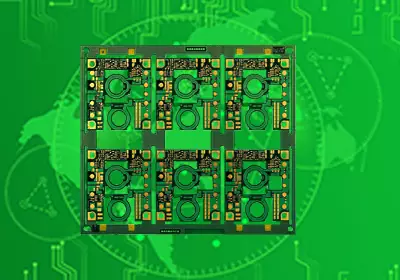
The rapid evolution of unmanned aerial vehicles (UAVs) has transformed industries ranging from precision agriculture to professional cinematography and last-mile logistics. Behind the agile maneuvers and stable hovering of a modern UAV lies a sophisticated electronic nervous system designed to handle extreme stress. At the center of this system is the drone PCB board, a highly specialized circuit platform that must balance lightweight with immense power handling capabilities. Unlike standard consumer electronics, these boards operate in dynamic environments where every milligram of weight affects flight time and every microsecond of signal latency impacts stability. Ensuring the reliability of this hardware is the most critical step in building a drone that can withstand the rigors of flight.
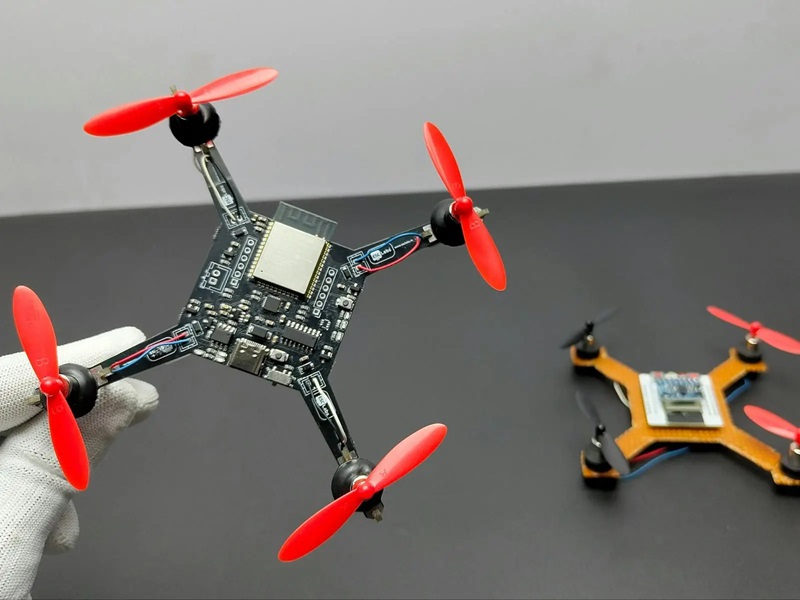
drone pcb board
The Complex Architecture of a Drone PCB
A typical modern drone does not rely on a single simple circuit. Instead, it utilizes an integrated architecture that combines the Flight Controller (FC), Electronic Speed Controllers (ESC), and Power Distribution Board (PDB). In high-end racing or industrial drones, these components are often merged into a single multi-layer drone PCB board to save space and reduce the complexity of wiring.
The Flight Controller serves as the "brain," processing data from GPS, IMUs (Inertial Measurement Units), and barometers to adjust motor speeds thousands of times per second. Simultaneously, the ESC section must manage high-frequency switching to drive brushless motors, while the PDB regulates high-voltage input from LiPo batteries down to the stable voltages required by sensitive logic chips. Achieving this level of integration requires advanced multi-layer stack-ups that can isolate noisy power lines from delicate signal traces.
Material Selection for Harsh Flight Conditions
Durability in the air starts with material science. Standard FR4 substrates are often pushed to their limits by the intense heat generated by high-current ESCs. Professional manufacturers typically opt for High Tg (Glass Transition Temperature) materials to ensure the drone PCB board maintains its structural integrity during aggressive flight maneuvers or heavy-lift operations.
For specialized applications, such as foldable drones or those with complex gimbal systems, Rigid-Flex PCB technology is increasingly common. This allows the circuitry to bend around tight corners and hinges without the need for bulky connectors or wires that could fail under vibration. By reducing the number of physical interconnects, engineers can significantly decrease the risk of a "signal blackout" mid-flight, enhancing both the safety and the lifespan of the aircraft.
Key Challenges: Power Density and Vibration
One of the greatest technical hurdles in designing a drone pcb board is power density. A drone's motors can pull hundreds of amps during takeoff or sudden direction changes. To handle this without burning out the traces, heavy copper technology (utilizing 2oz to 4oz copper) is used for the power rails. This ensures low resistance and prevents the board from overheating.
Furthermore, vibration is a silent killer of electronic components. The high-speed rotation of drone propellers creates constant mechanical resonance. If the PCB layout is not optimized, these vibrations can interfere with the accelerometer and gyroscope, causing a "toilet bowl effect" or total loss of control. High-quality boards utilize precision damping mounts and strategic component placement to isolate the IMU from motor noise. Additionally, HDI (High Density Interconnect) technology with microvias is used to keep signal paths as short as possible, minimizing electromagnetic interference (EMI) in the cramped internal environment of the drone.
Manufacturing and Quality Standards
Because drones often operate in humid, dusty, or coastal environments, protection is paramount. Most industrial-grade boards undergo a conformal coating process after assembly. This thin protective layer seals the components against moisture, salt spray, and fine dust, which could otherwise cause short circuits.
Weight control is also a primary manufacturing concern. Advanced fabrication techniques allow for thinner cores and precisely controlled copper distribution, ensuring that the drone PCB board is as light as possible while still meeting all electrical specifications. Every gram saved on the PCB translates directly into longer battery life and better payload capacity for the end user.
Conclusion
The future of autonomous flight depends on the resilience of the hardware that powers it. As drones become more integrated into our global infrastructure—performing bridge inspections, delivering medical supplies, and capturing breathtaking aerial footage—the demand for zero-failure electronics will only intensify. A precision-engineered drone PCB board is more than just a mounting surface; it is a high-performance engine that enables the miracle of stable, controlled flight. By selecting the right materials and mastering the challenges of power density and vibration, manufacturers can provide the robust foundation necessary for the next generation of aerial innovation. Ultimately, the quality of the circuit board is what separates a toy from a professional-grade aerial tool capable of changing the world.