A Trustworthy PCB and Electronic Manufacturing Enterprise! Contact Us


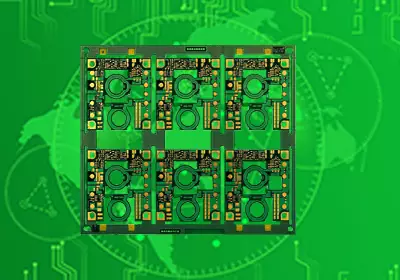
Some electronic products solder wires directly onto the PCB instead of using terminal connectors or locking fasteners for connections, thereby reducing PCB and enclosure space requirements.
This article shares insights on wire soldering techniques that how to solder wire to pcb board?
01 Soldering Unprocessed Wire Cores
1) Single-core wires and rigid wires with ≤7 cores: Rigid wires are rarely soldered directly to PCB surface pads, as their stiffness causes significant stress on solder joints during routing and connection. More commonly, they are inserted into holes for soldering. The wires are shaped into a concave form, with height controlled via fixtures or by creating stepped profiles to meet height requirements. This method is typically used for in-board jumper wires. Alternatively, enameled wires may be used for jumpers, or large inductors may directly feature enameled leads soldered into PCB vias. Single-core or rigid wires are often untinned; soldering bare copper directly into vias requires strict control over storage conditions and time after stripping to prevent oxidation.
2) Multi-core loose wires: Direct soldering onto PCB surface pads is mostly used for finer wires. After stripping, twist the cores to prevent them from unfurling before soldering. Additionally, maximize spacing between surface-mount pads.
When inserting loose wires into holes, ensure all strands are fully seated. Use thicker-core wires, strip insulation from the insertion point beforehand, or manually twist the strands together before insertion. This method is generally suitable for short-circuiting circuits over short distances, such as bridging soldered inductor holes. The short wires form a bridge-like structure; controlling wire length facilitates better insertion and prevents insulation damage from soldering heat. Soldering holes can be appropriately enlarged to accommodate loose wire insertion.
02 Solder-Coated Wire Soldering To prevent stranded cores from separating without terminals, the most common method is to apply solder coating to the stripped strands. Apply flux before coating to enhance solder adhesion. Soldering is typically performed via selective soldering or hand soldering.
1) Flat-Lay Wire Soldering: Wires are soldered onto PCB surface pads or horizontally onto terminals mounted on the PCB; the wire remains parallel to the PCB plane.
Design Considerations:
a. Ensure the core wire's bottom surface is as flush as possible with the solder pad. Accumulated tolerances can easily cause misalignment between the wire and solder surface, leading to wire lifting. Excessive gap will compromise solderability. Implement negative tolerances to leverage the wire's flexibility for proper contact.
b. The stripped length of tinned wire may be longer than the solder pad or terminal length. Avoid full-length tinning to prevent insulation damage and excessive wire stiffness that impedes deformation;
c. The stripped length may differ from the final tinned length. Pre-produce samples for measurement to determine the optimal stripped length. For externally sourced wire, specify the solder joint length and tolerance;
d. Structural components designed to interface with wires must account for tolerances introduced by wire processing and soldering operations. Allow sufficient clearance for wire routing and handling during design. Simultaneously, prevent wire soldering and deformation from adversely affecting structural components.
e. If wire differentiation is required, the distinction method must be clear and conspicuous without compromising soldering or structural assembly. Soldering operation precautions:
a. Before soldering, ensure proper alignment between wires, solder pads, and terminals. Fixtures can secure wires to the PCB for improved soldering results.
b. Apply flux thoroughly and evenly before soldering. Maintain appropriate soldering time to ensure adequate solder flow while preventing solder bridging.
c. Handle wires carefully, avoiding contact with soldering areas to prevent deformation or contamination from hand oils that could compromise solder quality. After soldering, avoid pulling wires during PCB handling to prevent stress on solder joints.
d. For longer wires or wires with terminals, handle and store post-soldering to prevent wire or terminal damage to the PCB and components. 2) Wire Insertion Soldering into holes after tinning is less common, typically used for short-circuit connections. The process is similar to handling untreated wires but offers superior handling and soldering quality.
03 Soldering Wire Terminals Soldering wire terminals is typically performed by inserting the crimped terminal into the hole after crimping. Common terminals are usually chain-type with a snap-fit mechanism that secures the hole. Other terminal types may also be crimped, requiring case-by-case consideration. The following details pertain to chain-type terminals with snap-fit mechanisms:
1) Design Considerations: PCB hole dimensions must match terminals to ensure smooth insertion, secure wire retention, and reliable soldering.
2) Wire Preparation Notes: a. Stripping length must be appropriate—excessive length may cause strand separation and insertion issues; insufficient length may result in loose crimping and terminal detachment. b. Avoid deforming the terminal's snap-fit mechanism during crimping, handling, or insertion to prevent issues with wire insertion and retention.
3) Insertion and soldering considerations: a. Insert wires vertically into holes to prevent terminal scraping of the hole walls. b. Apply sufficient flux. If necessary, dip the wire in flux before insertion. c. For longer wires, organize them after insertion to prevent stress on the wire, displacement of other components, and damage to the insulation from reflow oven temperatures. Typically, add a wire management device next to the soldering fixture.
4) Minimizing Wire Melting Risk: The most common issue with wire soldering is insulation melting due to heat, which can compromise joint integrity and reliability if melted material enters the hole. To mitigate this risk when soldering wires: a. Select wires with higher insulation temperature resistance; b. Strip a slightly longer length of wire, leaving a buffer zone between the soldering area and the insulation; c. Apply sufficient flux and control soldering time; for manual soldering, avoid setting the iron temperature too high; for machine soldering, thoroughly validate all parameters to achieve optimal results; d. Add heat-shrink tubing to the lower end of the wire. Heat-shrink tubing generally has a higher temperature resistance than the wire insulation and can contain melted insulation to some extent. Typically, heat-shrink tubing is used to distinguish between wires. If differentiation is unnecessary, adding heat-shrink tubing can also reduce the risk of insulation entering the hole. Additionally, localized melting of the wire insulation is acceptable as long as it does not enter the hole and does not affect the quality of the solder joint.