A Trustworthy PCB and Electronic Manufacturing Enterprise! Contact Us


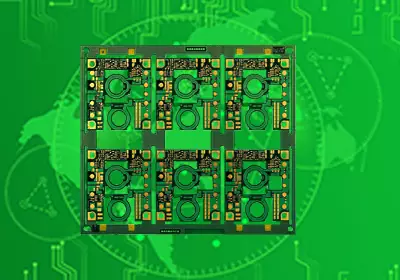
The rapid evolution of power electronics, high-brightness LED technology, and complex RF systems has created an intense demand for circuit boards that can efficiently dissipate heat. Traditional FR-4 materials simply cannot keep pace with the thermal load. The solution lies in advanced ceramics, specifically the alumina substrate PCB. This specialized board utilizes aluminum oxide as its base material, providing a fundamental shift in thermal performance, dimensional stability, and high-frequency capabilities. The alumina substrate PCB is not merely an alternative; it is a thermal management necessity for applications where component temperatures must be rigorously controlled to ensure longevity and peak performance.
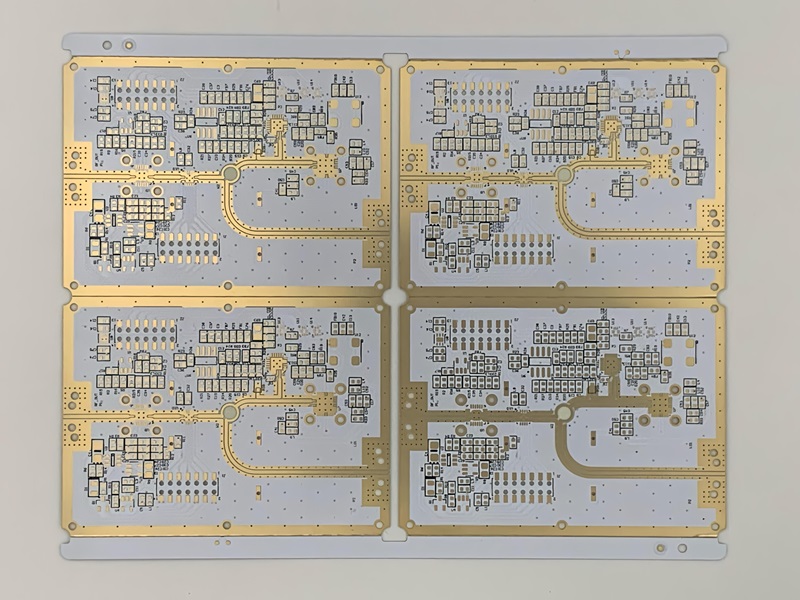
alumina substrate pcb
Why Alumina Excels?
The superiority of alumina over organic laminates is rooted in its inherent ceramic properties, which deliver three core advantages critical to high-performance electronics.
1. High Thermal Conductivity (TC)
Alumina boasts significantly higher thermal conductivity compared to standard PCB materials. While FR-4 acts as an insulator, trapping heat, alumina rapidly conducts heat away from the component junction. This efficiency is vital for high-power devices, as it drastically lowers the operating temperature of semiconductors, directly extending their lifespan and maintaining electrical performance.
2. Excellent Electrical Insulation
Alumina provides superior dielectric properties, maintaining stable and high electrical insulation even under extreme temperatures and high-frequency operation. This stability is crucial for ensuring signal integrity in sophisticated systems like microwave modules and RF amplifiers.
3. Thermal Expansion Match
One of the most powerful features of the alumina substrate PCB is its Coefficient of Thermal Expansion (CTE). The CTE of alumina closely matches that of common semiconductor materials, such as silicon and gallium nitride (GaN). This match minimizes the mechanical stress placed on component solder joints during power cycling and temperature fluctuations. Reduced thermal stress dramatically enhances the long-term reliability and physical integrity of the circuit assembly.
Manufacturing and Structural Advantages
Manufacturing an alumina substrate PCB involves specialized ceramic processing, resulting in a robust structure with exceptional performance characteristics.
1. Thin Film vs. Thick Film Technology
Alumina circuits are typically manufactured using two main processes:
---Thick Film: Uses screen printing for depositing conductive pastes, ideal for lower resolution and higher current applications.
---Thin Film: Uses sputtering and etching to create ultra-fine, high-density line widths, essential for high-frequency or high-precision circuits.
Both methods yield a surface with superior adhesion for the metallic layers compared to epoxy-based PCBs. The stable ceramic base ensures that the circuitry remains fixed and reliable under high stress.
2. High Temperature Endurance
The very nature of ceramic means it can withstand operating temperatures and power cycling far beyond the limit of traditional PCB laminates. This high thermal endurance translates directly into superior reliability, making the alumina substrate PCB the preferred platform for power converters and other harsh environment electronics. The material does not degrade or delaminate when subjected to continuous high heat, a common failure point for organic boards.
Key Applications Driving Alumina Demand
The unique blend of high thermal conductivity and electrical stability means the alumina substrate PCB is essential in several critical high-tech sectors:
---Power Electronics: Used extensively in inverters, motor controllers, electric vehicle (EV) charging stations, and high-current power supply modules where effective heat sinking is paramount.
---LED Lighting: High-brightness LED (HB-LED) arrays require maximum heat extraction to maintain their light output and prevent premature failure. Alumina substrates efficiently manage this heat, extending the life of the light source significantly.
---RF/Microwave Modules: Due to its low dielectric loss properties, alumina is the material of choice for antennas, low-noise amplifiers, and radar systems operating at high frequencies.
---Hybrid Circuits: Serving as a reliable platform for high-density chip-and-wire bonding and complex mixed-signal hybrid circuit packaging.
Design Considerations and Cost Factors
While offering significant performance benefits, adopting the alumina substrate pcb requires specific design and budgetary considerations. The circuits are often realized in simple single- or double-layer configurations due to the complexity of multilayer ceramic processing.The initial cost of fabricating an alumina substrate PCB is typically higher than a standard metal core PCB or FR-4 board.
However, this higher upfront investment is justified by several long-term factors: the elimination of external heat sinks, the enhanced performance stability, and the vastly increased lifespan and reliability of the final product, especially in mission-critical applications. The true value lies in performance.
Conclusion
The alumina substrate PCB is fundamentally an enabling technology for high-power, high-frequency, and high-reliability systems. Its superior thermal conductivity, matched CTE, and excellent electrical stability directly address the most pressing challenges in modern electronic design. For any application where heat generation threatens component longevity and performance, the alumina substrate PCB provides the optimal thermal platform.