A Trustworthy PCB and Electronic Manufacturing Enterprise! Contact Us


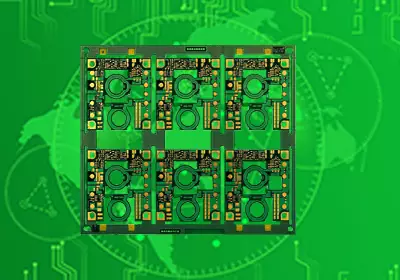
In the current landscape of electronic miniaturization, Flexible Printed Circuits (FPC) have become indispensable. From the foldable screens in our pockets to the life-saving sensors in medical implants, FPCs provide the necessary bendability and space-saving advantages that rigid boards cannot match. However, this flexibility introduces unique failure modes, such as trace cracking under repetitive stress or delamination of the protective coverlay. To mitigate these risks, a rigorous FPC test protocol is essential. Unlike standard PCB inspection, testing flexible circuits requires a dual focus on both electrical continuity and mechanical endurance, ensuring the device remains functional even after thousands of flex cycles in harsh environments.
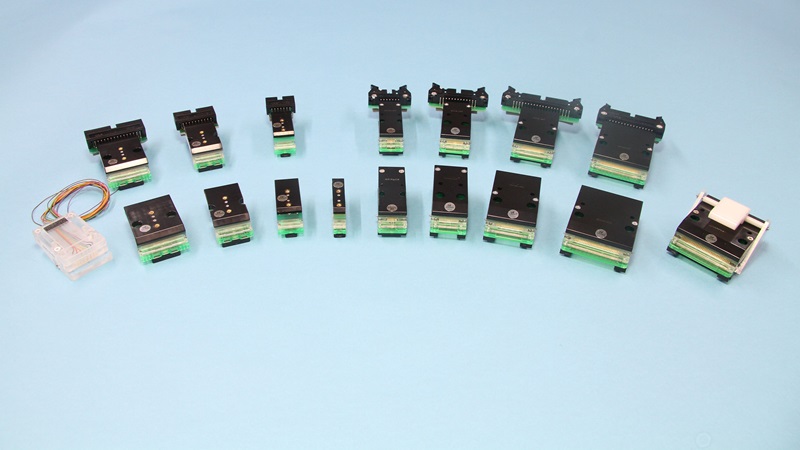
fpc test
Essential Electrical Testing Protocols
The foundation of any quality assurance program begins with basic electrical integrity. For high-density flexible circuits, the traditional "Bed of Nails" fixture can be problematic due to the thinness of the substrate. Instead, many manufacturers utilize Flying Probe Testing for prototypes and high-precision fixtures for mass production. This initial FPC test identifies open circuits, short circuits, and net-to-net leakage that could lead to system failure.
Beyond simple continuity, High Potential (Hi-Pot) testing is critical for FPCs used in power-sensitive applications. Because the insulating layers in an FPC—typically polyimide—are much thinner than the glass-reinforced epoxy in rigid boards, ensuring the dielectric strength is sufficient to prevent high-voltage arcing is a mandatory safety step.
Dynamic Reliability and Bending Endurance
The defining characteristic of an FPC is its ability to flex, which makes mechanical reliability testing the most hardware-intensive part of the FPC test process.
1. Flexural Endurance Test: This involves mounting the circuit in a specialized machine that bends it at a specific radius and angle thousands of times per hour. Engineers monitor the resistance of the traces in real-time; a sudden spike in resistance indicates the onset of fatigue cracking in the copper.
2. Peel Strength Test: This verifies the bond between the copper foil and the polyimide substrate, as well as the adhesion of the coverlay. If the peel strength is insufficient, the circuit may delaminate during the SMT reflow process or under environmental humidity, leading to catastrophic failure in the field.
Advanced Signal Integrity and Impedance Verification
As FPCs are increasingly used for high-speed data transmission—such as MIPI interfaces in cameras or LVDS in displays—impedance control becomes a critical metric. Using Time Domain Reflectometry (TDR), engineers perform an impedance-focused FPC test to verify that the traces maintain a consistent 50Ω or 100Ω environment.
The challenge with flexible substrates is that their dielectric constant can be influenced by the bending radius and the proximity to the device's metal chassis. Sophisticated testers must account for these variables to ensure that signal reflections are minimized. Furthermore, for multilayer FPCs with blind or buried microvias, Interconnect Stress Testing (IST) or OM (Optical Microscopy) analysis is often employed to ensure that the plating within the tiny holes can withstand the thermal expansion of the polyimide during soldering.
Visual and Dimensional Inspection Standards
Visual inspection on flexible substrates is notoriously difficult due to the "warpage" and natural curl of the material. Advanced Automated Optical Inspection (AOI) systems for FPCs must use specialized vacuum tables to hold the circuit perfectly flat. This allows the system to detect "mouse bites" on traces, pinholes in the solder mask, or tiny contaminants that could cause long-term corrosion.
Additionally, dimensional precision is paramount for FPCs that interface with ZIF (Zero Insertion Force) connectors. A precise dimensional FPC test ensures that the "Gold Fingers" are aligned within microns. If the pitch or the width of the stiffener is off by even a fraction of a millimeter, the connector may fail to engage correctly, leading to intermittent signal issues that are notoriously difficult to diagnose after the product has been shipped.
Conclusion
The evolution of flexible electronics is limited only by our ability to guarantee their longevity. As we move toward more complex 3D-integrated devices and biocompatible wearables, the testing phase is no longer a final hurdle—it is a core part of the design philosophy. Implementing a comprehensive FPC test strategy allows manufacturers to detect latent defects early, optimizing yield rates and protecting the brand's reputation for quality. In the competitive world of high-end hardware, the difference between a market leader and a failure is often found in the rigor of their testing labs. By combining high-speed electrical verification with brutal mechanical stress testing, you can ensure that your flexible innovations are truly built to last.