A Trustworthy PCB and Electronic Manufacturing Enterprise! Contact Us



Take apart any modern gadget—whether it is your smartphone, digital wristwatch, smart TV, or the washing machine in your laundry room—and you will instantly discover a rigid, flat green or blue plate packed with tiny microchips, metallic lines, and soldered components. This foundational platform is the physical nervous system of modern technology. For anyone stepping into the exciting world of hardware engineering, robotics, or DIY maker projects, understanding what is an electronic board and how it functions provides the essential baseline needed to design, build, and troubleshoot smart devices.
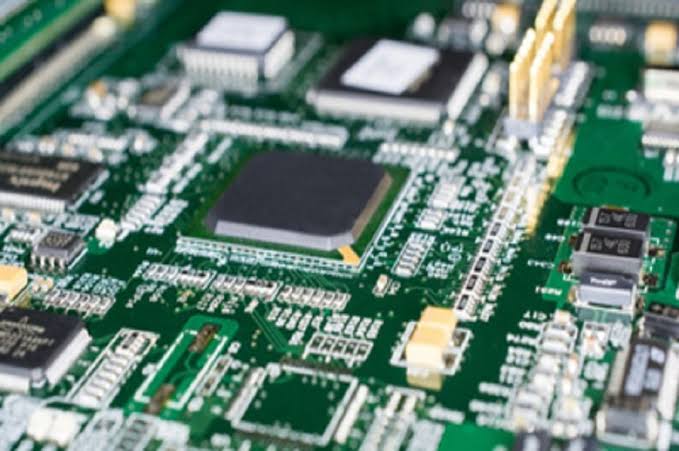
what is an electronic board
Core Anatomy and Material Composition
At its core, a printed circuit board is a composite structural plate designed to hold electronic components securely while routing electricity between them through etched metallic pathways.
The physical structure is built from several distinct, precisely engineered layers:
Substrate (FR4): The foundation is typically made of an insulating fiberglass and epoxy composite known as FR4. This rigid material provides mechanical strength, preventing the board from bending or snapping while keeping electricity completely insulated.
Copper Foil: A microscopically thin layer of conductive copper is laminated onto one or both sides of the substrate. This copper layer is chemically carved into individual lines called traces, which act as insulated wires routing power and data signals.
Solder Mask: The iconic colored polymer coating (usually green, blue, or red) covers the copper traces, protecting the metal from oxidation and preventing stray solder from bridging adjacent pads.
Silkscreen: White ink printed on the outer surface displays component labels, symbols, and polarities, guiding engineers during manual or automated assembly.
How Electrical Signals Travel Across the Layers
Understanding what is an electronic board requires looking closely at how electrical circuits are mapped out. In the early days of electronics, technicians connected components using messy bundles of insulated hook-up wires inside large metal chassis. Today, computer-aided design software generates precise digital schematics that are transferred directly onto copper-clad laminate sheets through photolithography and chemical etching.
Depending on the complexity of the device, manufacturers build different types of circuit architectures:
Single-Sided Boards: Feature copper traces on only one side, ideal for simple, low-cost consumer electronics and basic LED drivers.
Double-Sided Boards: Feature copper traces on both top and bottom surfaces, connected by plated through-holes that allow signals to cross paths.
Multilayer Boards: Stack multiple internal copper planes separated by insulating prepreg layers, allowing powerful computer processors and automotive computers to route thousands of high-speed data channels within a compact footprint.
Surface Mounting and Component Integration
A bare piece of fiberglass and copper cannot perform any computing tasks on its own; it requires active and passive components to bring it to life. Exploring what is an electronic board involves seeing how resistors, capacitors, microcontrollers, and transistors are physically mounted onto the copper pads.
Modern manufacturing relies heavily on Surface Mount Technology (SMT), where automated robotic pick-and-place machines position tiny components onto fresh solder paste with sub-millimeter precision. Once components are placed, the assembly passes through a high-temperature reflow oven where the solder melts, locking every pin securely into permanent electrical and mechanical contact with the board.
Essential Role in Modern Technology and Manufacturing
Electronic circuit platforms serve as the undisputed backbone of the global digital economy. When examining what is an electronic board in a practical context, its impact spans nearly every major industrial sector.
In aerospace engineering, specialized high-frequency boards withstand intense mechanical vibrations and extreme temperature swings inside satellite transceivers. In the automotive industry, rugged power management boards control electric vehicle battery charging and advanced driver-assistance systems (ADAS). Because these applications demand absolute reliability, industrial fabrication facilities subject every completed batch of boards to automated optical inspection (AOI), X-ray imaging, and electrical continuity testing before final customer delivery.
Conclusion
Electronic circuit platforms represent one of the most important engineering inventions of the modern industrial era, turning abstract electrical formulas into tangible, pocket-sized computing power. Whether you are a student exploring basic maker projects on a workbench or a professional engineer designing multi-layer telecommunication hardware, mastering the fundamentals of circuit architecture is crucial. Knowing what is an electronic board empowers you to appreciate the intricate design rules, precise copper trace routing, and strict manufacturing standards required to bring reliable technology into the physical world. By studying layout principles and clean soldering habits, you can successfully bridge the gap between creative hardware ideas and working electronic reality.