A Trustworthy PCB and Electronic Manufacturing Enterprise! Contact Us


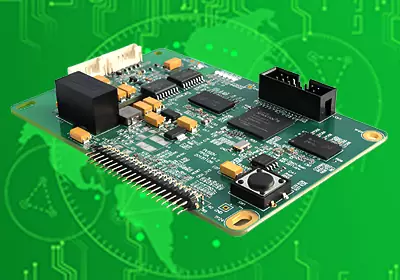
In the modern world, electronic devices are no longer confined to clean, climate-controlled offices. From the sensors inside an electric vehicle's engine bay to the navigation systems on an offshore wind turbine, PCBs must function reliably in some of the harshest environments on the planet. Exposure to humidity, salt spray, dust, and volatile chemicals can quickly lead to corrosion, leakage currents, and total system failure. To prevent these catastrophic outcomes, manufacturers apply a specialized conformal coating to the surface of the assembled board. This protective layer acts as a sophisticated shield, ensuring that the delicate circuitry remains isolated from environmental contaminants while maintaining its electrical performance over a long service life.
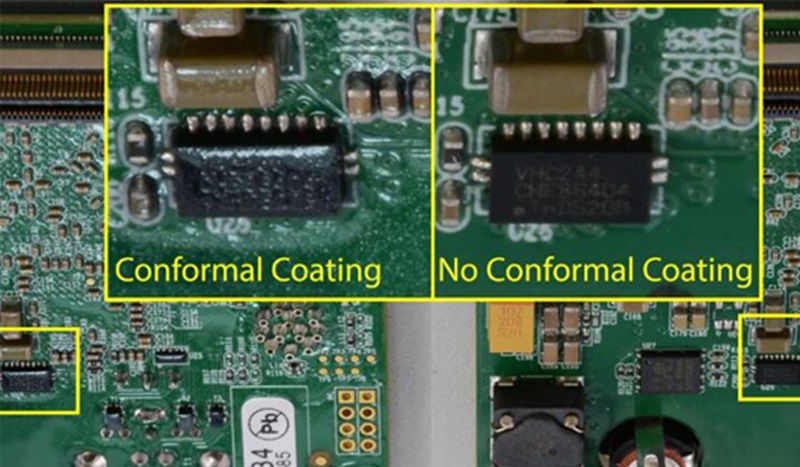
conformal coating
What is Conformal Coating?
A conformal coating is a thin, polymeric film applied to a printed circuit board. The term "conformal" comes from the material's ability to "conform" or adapt to the irregular shapes of the components mounted on the board—such as capacitors, resistors, and integrated circuits. Unlike a thick potting compound that encases the entire assembly in a heavy block of resin, this coating is typically only a few micrometers thick. This allows the board to remain lightweight and maintain its original dimensions, which is critical for compact designs like wearables or aerospace modules.
Beyond just physical coverage, these coatings are engineered to be breathable. They allow trapped moisture in the board to escape while preventing liquid water and other contaminants from entering. This semi-permeable nature is what makes the technology so effective at preventing the growth of "dendrites"—microscopic metallic whiskers that can grow between solder joints in humid conditions and cause short circuits.
Key Benefits for Electronic Assemblies
The primary reason for using a conformal coating is to extend the MTBF (Mean Time Between Failures) of a product. Without protection, a single drop of condensation can bridge two high-voltage pads, leading to an immediate failure. By providing a consistent dielectric barrier, the coating allows designers to place components closer together without the risk of electrical arcing, which is essential for the ongoing trend of miniaturization.
Furthermore, the coating provides a level of mechanical protection. While it is not a structural adhesive, the thin film helps dampen vibrations and protects fragile solder joints from the stress of rapid temperature changes (thermal shock). This is particularly valuable in the automotive and industrial sectors, where machinery often operates in high-vibration environments. By sealing out dust and metallic particles, the coating also prevents "arc tracking," a phenomenon where conductive dust creates a path for electricity to jump across the surface of the board.
Common Material Types and Their Uses
Selecting the right chemistry for your conformal coating is a decision that depends on the end-use of the product.
---Acrylic Resins (AR): These are the most popular choice for general consumer electronics. They are easy to apply, dry quickly, and—crucially—they are easy to remove with solvents. This makes them ideal for boards that may need to be repaired or reworked later.
---Silicone Resins (SR): If your board is destined for a high-temperature environment, like an outdoor lighting system or a car engine, silicone is the best choice. It remains flexible at extremely low temperatures and doesn't degrade when exposed to intense heat or UV light.
---Polyurethane Resins (UR): These coatings are prized for their exceptional chemical resistance. They are often used in laboratory equipment or industrial controllers where the board might be exposed to fuel, oil, or cleaning solvents.
---Epoxy Resins (ER): Known for being incredibly tough and hard, epoxy coatings offer the best resistance against abrasion and moisture. However, once they are cured, they are almost impossible to remove without damaging the underlying board, so they are typically reserved for "set and forget" mission-critical systems.
Application Methods and Best Practices
Applying a conformal coating is a precise process that can be done manually or via automation. For low-volume prototypes, manual spraying or brushing is common. However, for mass production, robotic selective coating machines are used. These robots use high-precision valves to apply the material only where it is needed, avoiding "keep-out zones" like connectors, switches, or heat sinks that must remain uncoated to function.
The curing process is equally important. Some coatings cure at room temperature, while others require ultraviolet (UV) light or heat to reach their full protective strength. Manufacturers must also ensure the board is perfectly clean before coating. Any fingerprints, oils, or flux residues trapped under the film will eventually cause the coating to delaminate, which can actually trap moisture against the board and accelerate corrosion rather than preventing it.
Conclusion
The reliability of a product is often judged by how it performs in the worst possible conditions. As electronics become more integrated into our daily lives—from medical implants to smart infrastructure—the stakes for hardware failure have never been higher. Investing in a high-quality conformal coating is one of the most cost-effective ways to safeguard your reputation and your customers' safety. By creating a robust barrier against the elements, you ensure that your innovation continues to thrive long after it leaves the factory. Whether you are aiming for rugged industrial performance or long-lasting consumer appeal, the right protective coating is the ultimate insurance policy for your modern circuit designs.