A Trustworthy PCB and Electronic Manufacturing Enterprise! Contact Us



In the era of the Internet of Things (IoT), wireless connectivity has become a fundamental requirement for almost every electronic device. However, as consumer electronics shrink in size and grow in complexity, engineers face a significant challenge: how to integrate high-gain communication modules into extremely cramped internal environments. Traditional rigid antennas or bulky wire antennas often fail to meet the aesthetic and mechanical demands of modern industrial design. This has led to the widespread adoption of the FPC antenna. By utilizing flexible copper-clad laminates, these antennas offer a unique combination of slim profiles and high-performance radiation patterns, allowing designers to maintain sleek product aesthetics without compromising on signal strength or range.
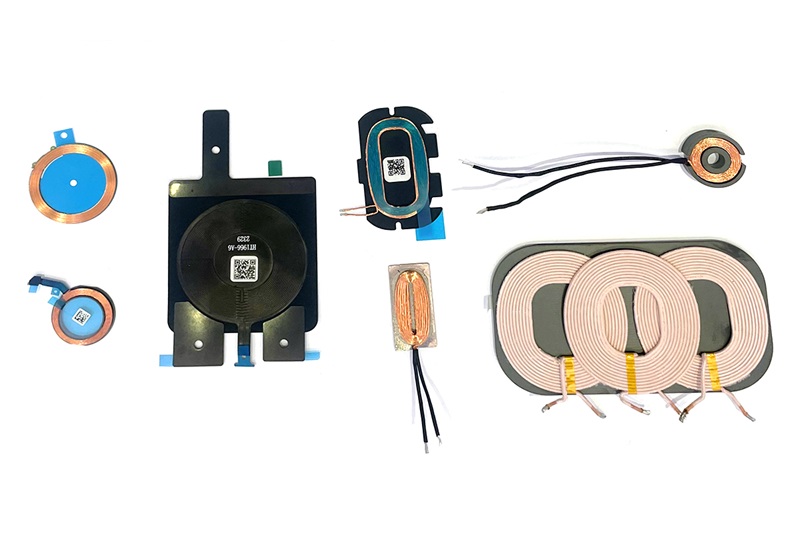
FPC Antenna
What is an FPC Antenna?
The term "FPC" stands for Flexible Printed Circuit. An FPC antenna is essentially a precision-engineered radiating element printed onto a thin, flexible substrate, typically made of Polyimide (PI) or Polyester (PET). Unlike traditional PCB antennas that are restricted to flat surfaces, the flexible nature of the PI substrate allows the antenna to be bent, folded, or wrapped around the internal contours of a device's housing.
This technology typically utilizes a chemical etching process to create the copper traces of the antenna pattern. Because the manufacturing process is highly repeatable, it ensures that every antenna produced has identical electrical characteristics, which is vital for high-volume manufacturing where consistent RF performance is mandatory.
Key Advantages in Modern Product Design
The primary reason designers gravitate toward the FPC antenna is its incredible versatility in space management. In devices like smartwatches or TWS (True Wireless Stereo) earbuds, every cubic millimeter is precious. Since an FPC-based solution can be as thin as 0.1mm, it can be adhered directly to the inner surface of a curved plastic enclosure using high-strength 3M adhesive.
Furthermore, these antennas offer superior stability compared to manual wire-soldering solutions. In older designs, the position of a wire antenna could shift slightly during assembly, leading to detuning and poor signal quality. With a flexible printed design, the radiator is fixed in a precise geometry, ensuring that the impedance and resonant frequency remain consistent throughout the product's lifespan. This mechanical reliability is a major factor in reducing return rates and enhancing user satisfaction in wireless products.
Common Frequency Bands and Applications
A well-designed FPC antenna can be tuned to support a wide range of wireless protocols. In the consumer space, they are the standard for Wi-Fi 6, Bluetooth 5.0, and Zigbee applications. For mobile and tracking devices, multi-band versions can support 4G LTE, 5G Sub-6GHz, and GNSS (Global Navigation Satellite System) frequencies simultaneously.
Beyond consumer gadgets, these antennas are essential for industrial IoT sensors. In a smart factory environment, sensors are often mounted on moving machinery or inside metal-framed cabinets. The ability to fold and position the flexible antenna to find the "sweet spot" for signal reception—even in RF-congested environments—makes it an indispensable tool for engineers.
Technical Design and Integration Considerations
Integrating an FPC antenna into a product requires more than just sticking it onto a surface. The surrounding environment significantly affects its performance. For instance, metal components, batteries, or large capacitors near the antenna can cause "detuning," shifting the frequency away from its intended target. Designers must ensure there is a sufficient "keep-out zone" or ground clearance to allow the electromagnetic fields to propagate effectively.
Another critical factor is the connection between the antenna and the main PCB. Most flexible antennas come with a miniature coaxial cable (such as an IPEX or U.FL connector). The length and routing of this cable must be managed carefully to avoid signal attenuation. Achieving a perfect 50-ohm impedance match is the goal of every RF engineer, ensuring that maximum power is transferred from the transmitter to the air, resulting in longer range and higher data throughput.
Conclusion
The evolution of hardware is a journey toward seamless integration and invisible technology. As we look forward to the expansion of 5G and the birth of even more compact wearable health monitors, the need for flexible, high-efficiency radiators will only continue to grow. The FPC antenna represents the pinnacle of this evolution, providing a robust, repeatable, and adaptable solution for the world's most challenging RF environments. By embracing the flexibility of PI-based designs, manufacturers can continue to push the boundaries of innovation, creating smarter, more connected devices that fit perfectly into our daily lives. Ultimately, the performance of your wireless product is only as good as its link to the world, and a high-quality FPC antenna is the most reliable link you can provide.