A Trustworthy PCB and Electronic Manufacturing Enterprise! Contact Us


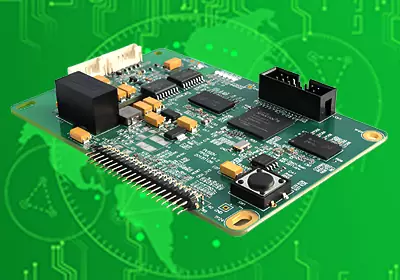
Electronic infrastructure deployed in defense, aerospace, and tactical field communication networks must operate with absolute flawless precision under the most punishing physical conditions on earth. While a minor hardware malfunction in a consumer smartphone might result in an annoying software freeze, a component failure inside a missile guidance system, a fighter jet radar array, or a battlefield encrypted radio can lead to immediate operational failure and catastrophic loss of life. Because standard commercial or industrial electronics are simply not built to withstand intense thermal fluctuations, constant g-force vibration, and corrosive salt air, the defense sector relies on highly specialized manufacturing partners. Executing a certified military PCB assembly requires navigating strict international defense regulations, sourcing traceable aerospace-grade components, and implementing zero-defect soldering techniques to ensure the final hardware operates with unbroken reliability throughout its deployment lifecycle.
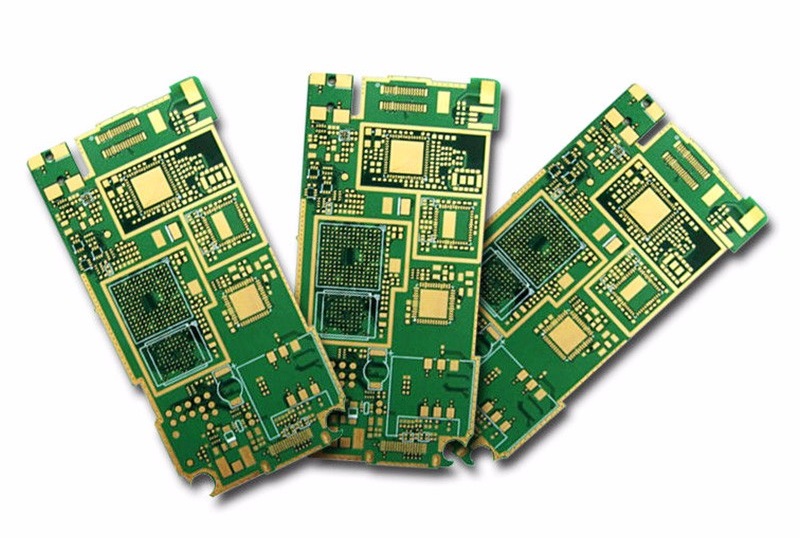
military PCB assembly
The Strict Standards of IPC Class 3 and MIL-SPEC Compliance
The definitive line separating defense-grade electronics from everyday consumer gadgets is rigid adherence to the IPC-A-610 Class 3 standard. This certification governs high-performance electronic products where continued performance is critical, equipment downtime cannot be tolerated, and the end environment can be exceptionally harsh.
When conducting a defense-grade production run, the assembly facility must implement automated monitoring for every single solder joint. Class 3 criteria leave absolutely zero room for common visual flaws like minor solder voids, insufficient wetting, or misaligned component pins. Furthermore, the underlying bare boards must adhere to strict MIL-PRF-31032 specifications, which mandate much thicker internal copper plating within through-holes and a heavily reinforced fiberglass weave. These structural safeguards guarantee that the electrical connections remain permanently intact, even when subjected to intense physical and electrical stress.
Thermal Management and Thermal Shock Resistance
One of the most brutal environmental challenges encountered during a military PCB assembly cycle is thermal shock. Tactical electronics must transition seamlessly from a freezing -55℃ in high-altitude aircraft storage to a scorching +125℃ inside a running desert armor vehicle engine bay within a matter of minutes. These rapid temperature swings cause different materials on the board to expand and contract at completely mismatched rates, creating immense structural shear stress on individual surface-mount component joints.
To mitigate this destructive thermal fatigue, layout engineers integrate heavy copper ground planes and rows of copper-filled thermal vias directly underneath high-power processors. These metal pathways act as thermal expressways, pulling heat away from active silicon junctions and distributing it evenly across the substrate. Additionally, manufacturers use advanced substrates such as polyimide or ceramic-filled laminates instead of standard FR4, as these premium materials maintain their structural integrity and electrical insulation properties even at extreme temperatures.
Mechanical Shock Mitigation and Conformal Coating Protection
Beyond thermal stress, tactical defense hardware must survive immense mechanical kinetic forces. Whether it is the violent vibrations of a helicopter rotor blade or the sudden high-G shock of an artillery launch, a standard surface-mount joint would easily snap under the pressure. Professional military PCB assembly plants eliminate this risk by applying structural epoxy underfills beneath large ball grid array (BGA) chips to lock them tightly to the substrate, alongside using heavy-duty mechanical mounting hardware to reinforce heavy capacitors and transformers.
Once the physical soldering process is verified, the fully assembled module is sent to a specialized coating cleanroom to receive a layer of conformal coating. This thin, protective polymer film is sprayed evenly over the components, sealing out moisture, conductive airborne dust, and corrosive salt spray. In aerospace deployments, this coating is paramount for preventing tin whiskers—microscopic, hair-like crystalline structures that can spontaneously grow out of pure tin solder joints over time, causing sudden short circuits inside sealed avionics bays.
Supply Chain Traceability and Counterfeit Component Prevention
In modern defense procurement, securing the physical integrity of the component supply chain is just as critical as fine-tuning the factory reflow ovens. A major security threat facing global defense contractors is the infiltration of counterfeit or refurbished microchips into critical military hardware. A single compromised component can lead to premature failure or introduce hidden cybersecurity vulnerabilities.
Managing a high-reliability military PCB assembly project requires establishing 100% component traceability back to the original silicon manufacturer. Every batch of resistors, diodes, and advanced processors must arrive accompanied by formal Certificates of Conformance (CoC). To verify compliance before parts are loaded onto the pick-and-place machines, quality control labs deploy non-destructive testing tools, including high-power X-ray inspection to analyze internal wire bonding, acoustic microscopy to look for internal delamination, and automated optical scanners to flag signs of component resurfacing or pin re-tinning.
Conclusion
Maintaining an unyielding focus on quality assurance is the ultimate obligation when manufacturing hardware intended for national security applications. In the high-stakes theater of modern defense, there is no acceptable allowance for unpredictable hardware failures or shortcut manufacturing methods. Investing the necessary engineering hours to secure full IPC Class 3 compliance, optimize thermal via arrays, apply resilient conformal coatings, and mandate ironclad component supply chain tracking is the only proven way to mitigate field risks. Partnering with an ITAR-registered fabrication facility that possesses deep, specialized expertise in the military PCB assembly ecosystem ensures that your tactical communication links, autonomous navigation systems, and aerospace radar platforms transition flawlessly into highly ruggedized realities. Ultimately, adhering to these strict engineering disciplines guarantees that your critical equipment performs its mission reliably, keeping operations secure and protecting personnel under the most demanding conditions worldwide.