A Trustworthy PCB and Electronic Manufacturing Enterprise! Contact Us


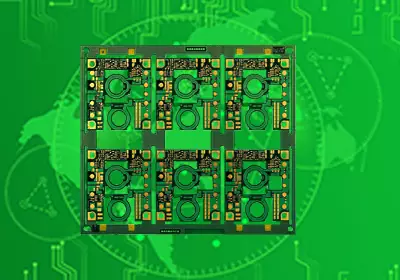
Modern electronic product development is moving toward a future where internal space is incredibly restricted and device form factors are highly dynamic. In products like medical implants, high-definition wearable tech, and compact aerospace sensors, traditional rigid boards connected by bulky wire harnesses are no longer viable options due to weight, reliability, and space constraints. This engineering hurdle is solved by seamlessly integrating rigid fiberglass sections with flexible polyimide layers into a single, unified structure. Executing a flawless rigid flex pcb manufacturing process is widely considered the absolute pinnacle of circuit fabrication technology. By blending the structural strength of standard FR4 with the dynamic bendability of flexible film, this advanced process eliminates mechanical connectors, reduces assembly errors, and maximizes total signal density in next-generation hardware designs.
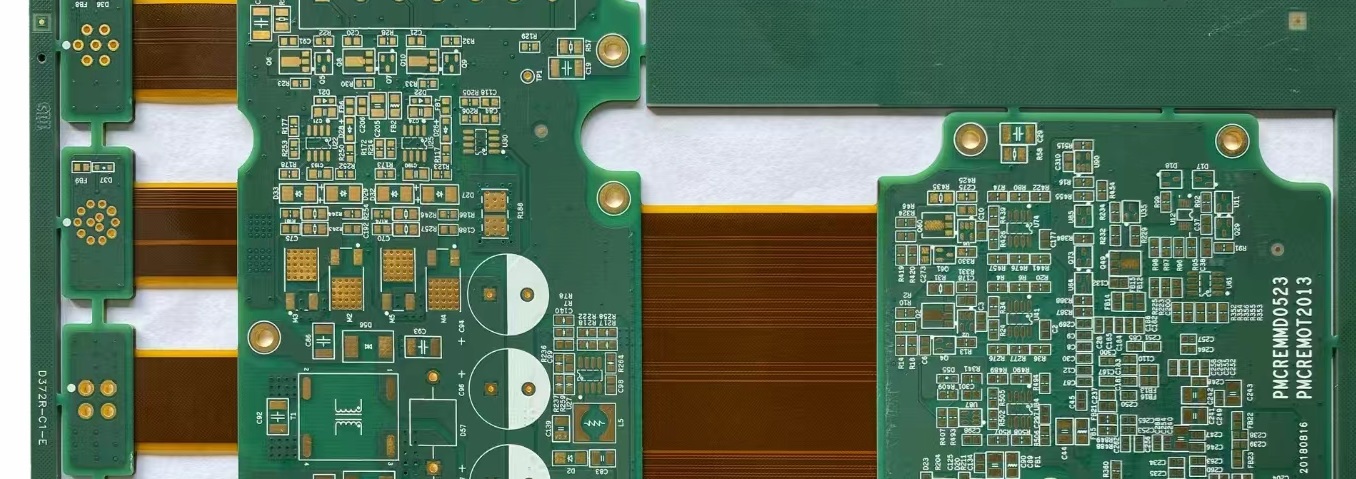
rigid flex pcb manufacturing process
Material Preparation and Pre-Treatment Stages
The primary challenge of combining rigid and flexible materials into a single substrate lies in their wildly different physical properties. The flexible core layer typically begins as an adhesiveless copper-clad laminate made of polyimide, while the rigid zones utilize standard FR4 fiberglass cores. Polyimide is highly hygroscopic, meaning it absorbs moisture from the air much faster than fiberglass.
Before any chemical or thermal processing begins, technicians subject the flexible materials to an intense, extended pre-bake cycle to completely eliminate trapped moisture. If even a microscopic amount of water vapor remains inside the polyimide film, it will flash into steam during subsequent high-temperature lamination stages, causing catastrophic internal delamination and blisters. Once baked, the copper surfaces undergo micro-etching to create a rough, high-friction topography that ensures maximum physical adhesion when bonded to the rigid layers later in the production line.
The Critical Sequential Lamination Layering
The most technically demanding phase of the entire rigid flex pcb manufacturing process is the sequential lamination stage. This is where the individual rigid and flexible layers are stacked together and permanently bonded inside a high-pressure vacuum press. Because polyimide and FR4 have completely different Coefficients of Thermal Expansion (CTE), they expand and contract at different rates when heated up to 180℃.
To prevent the layers from warping or tearing apart as they cool down, CAM engineers must design a perfectly symmetrical material stack-up. Furthermore, manufacturers cannot use standard prepreg bonding sheets because the liquid epoxy resin would flow out and solidify over the flexible areas, ruining their ability to bend. Instead, technicians utilize specialized no-flow or low-flow prepreg. This unique bonding material contains a highly controlled resin system that liquefies just enough to secure the rigid-to-flex boundary lines without bleeding onto the active flexible extensions, preserving the kinetic freedom of the circuit.
Through Hole Drilling and Desmear Optimization
Once the multi-layer sandwich is securely laminated, the board moves to the automated drilling station to establish vertical electrical pathways across all layers. Drilling through a mixed-material stack requires precise tool calibration. The mechanical drill bits must pass through soft, elastic polyimide and tough, abrasive glass fibers simultaneously, which can cause drill deflection or leave behind microscopic tearing at the material interfaces.
A secondary challenge during drilling is the formation of resin smear. The friction of the high-speed drill bit creates intense heat, melting the polyimide resin and spreading a non-conductive film across the inner copper pads. To clean these holes before electroplating, the board undergoes an advanced plasma desmear cycle inside a specialized vacuum chamber. The plasma gas chemically vaporizes the microscopic polyimide residues from the inner copper walls without damaging the surrounding substrate, guaranteeing a perfectly clean metallic contact area for the subsequent copper plating phase.
Transition Zone Milling and Final Overlay Application
The defining moment of the rigid flex pcb manufacturing process occurs during the final mechanical cutting stage, known as controlled depth milling. At this point in production, the flexible sections are still completely trapped inside the outer rigid layers of the panel. Computer-controlled routing machines use ultra-precise depth sensors to carefully slice through the outer FR4 layers, stopping exactly a fraction of a millimeter before hitting the delicate inner flexible core.
Once the waste rigid fragments are popped out and peeled away, the highly flexible polyimide regions are finally exposed to the air. Technicians then apply a flexible polyimide coverlay to protect these newly exposed traces from environmental oxidation. At the transition zone—the exact line where the board changes from rigid to flexible—engineers apply a flexible bead of epoxy strain-relief material. This bead absorbs structural tension during daily folding cycles, preventing the copper traces from cracking under mechanical fatigue.
Conclusion
Precision chemical formulation and rigorous mechanical discipline are the twin pillars that uphold hardware reliability in three-dimensional circuit designs. As global tech industries accelerate toward increasingly complex folding mechanisms, high-frequency radar modules, and micro-wearable biomedical sensors, the demands placed on fabricators will only intensify. A single misstep during baking, a minor registration shift during lamination, or an uncontrolled depth cut can immediately ruin an entire batch of high-value panels. Investing the time to fully understand the intricate material behaviors and tolerances within the rigid flex pcb manufacturing process allows developers to eliminate unpredictable hardware bugs early and optimize yield rates. Partnering with an expert fabrication house that maintains world-class control over CTE variations and plasma desmearing ensures that your advanced three-dimensional concept transitions seamlessly into a rugged, high-performing commercial reality.